
Franklin County · Free Estimate
Retaining Walls in Groveport, OH
Turn a slope in Groveport into level ground with a wall designed for its height. Ask for a free estimate.
Serving Columbus, Worthington, Gahanna, Powell, Grove City and 27 more towns
Free Wall Estimate in Groveport
Give us the approximate height and length, what sits above it and your town. The contractor will phone you to discuss it and book a site visit.
- Free wall estimates
- Drainage built in
- Block and poured walls
- Columbus and 31 towns
Rough height and length are enough for now. 👇
Groveport, Ohio
Holding back soil and water in Groveport
Whether your Groveport wall holds up a patio, a driveway edge or a steep bank, its design follows its height and whatever sits above it. Short garden walls are forgiving. Taller or loaded walls need geogrid, careful drainage and sometimes an engineer, and it pays to know which kind you have before work begins.
Central Ohio's glacial clay drains slowly and stays wet long after rain, which is why water pressure, rather than the weight of dry soil, is the force most failing walls around Columbus lost to. The frost line here sits around 32 inches down, so poured walls need footings at least that deep, while segmental block walls rely on a draining gravel pad that lets them flex instead.
A tape measure and a rough description are enough to start. Tell us about the slope or the failing wall, and the contractor will return your message with a call to arrange a site visit.
Wall types we build
Services for Groveport
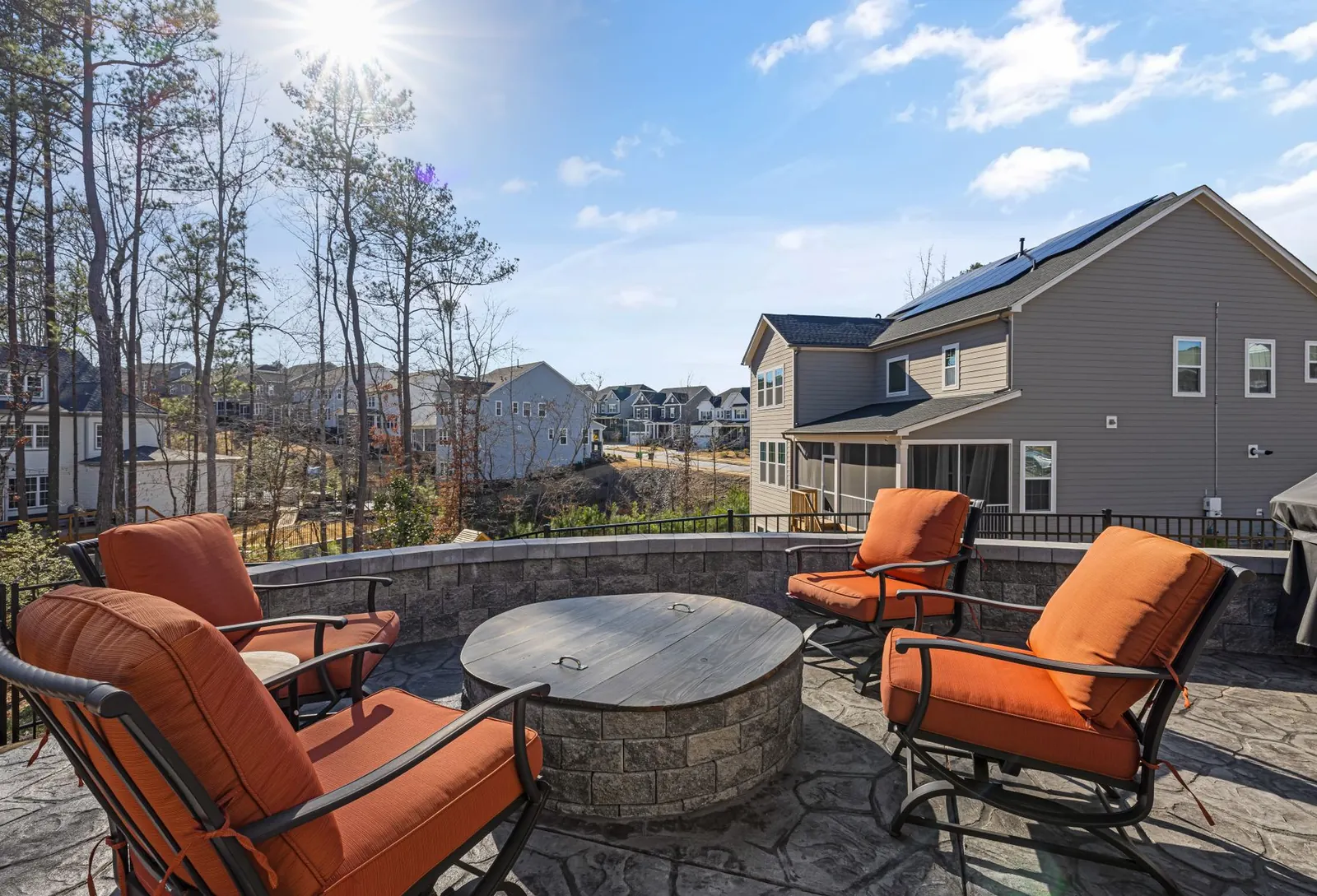
Block Retaining Walls
Segmental block retaining walls, with drainage and geogrid where the height calls for it in Groveport.
More on block retaining walls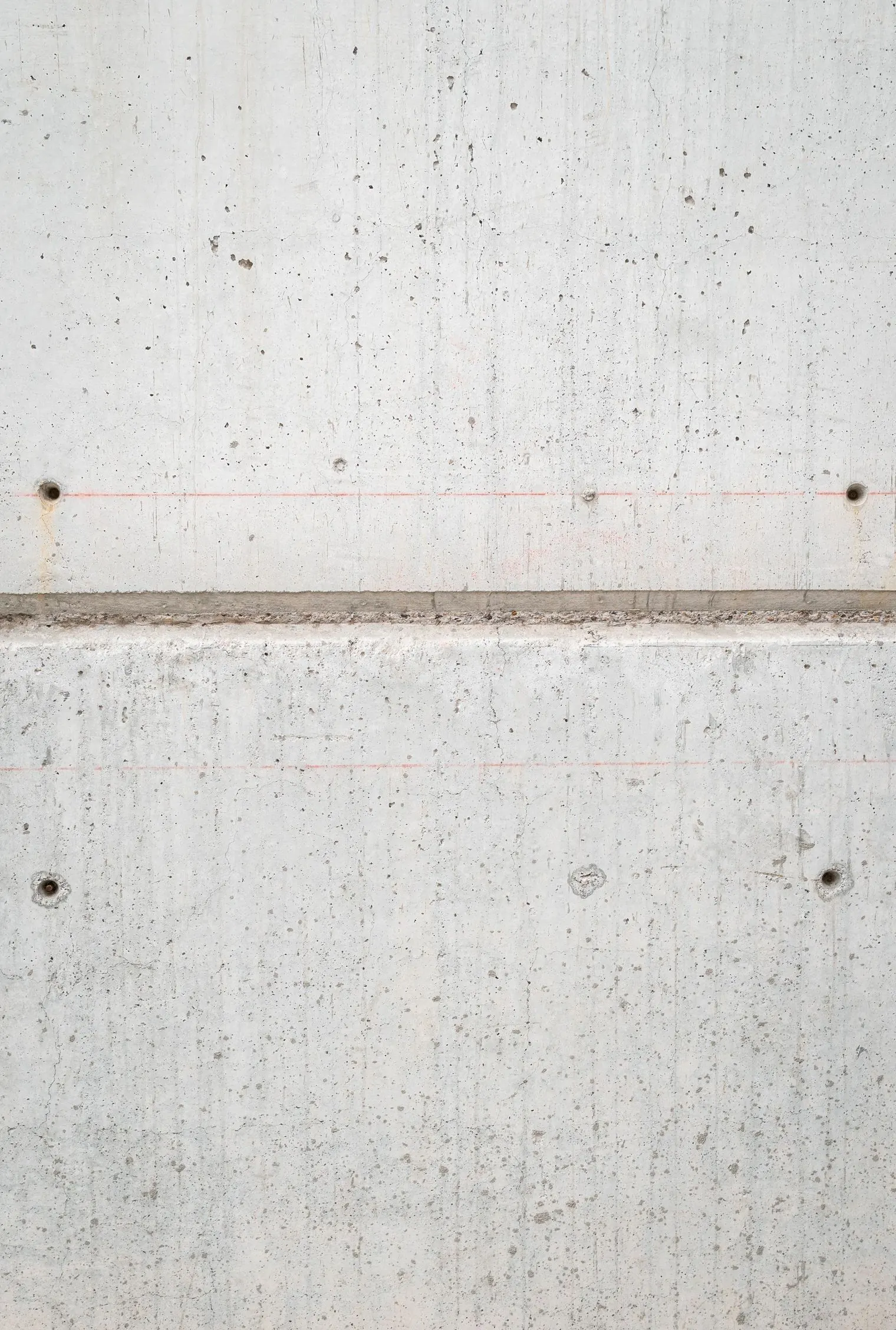
Poured Concrete Walls
Poured concrete retaining walls on frost-depth footings in Groveport.
More on poured concrete walls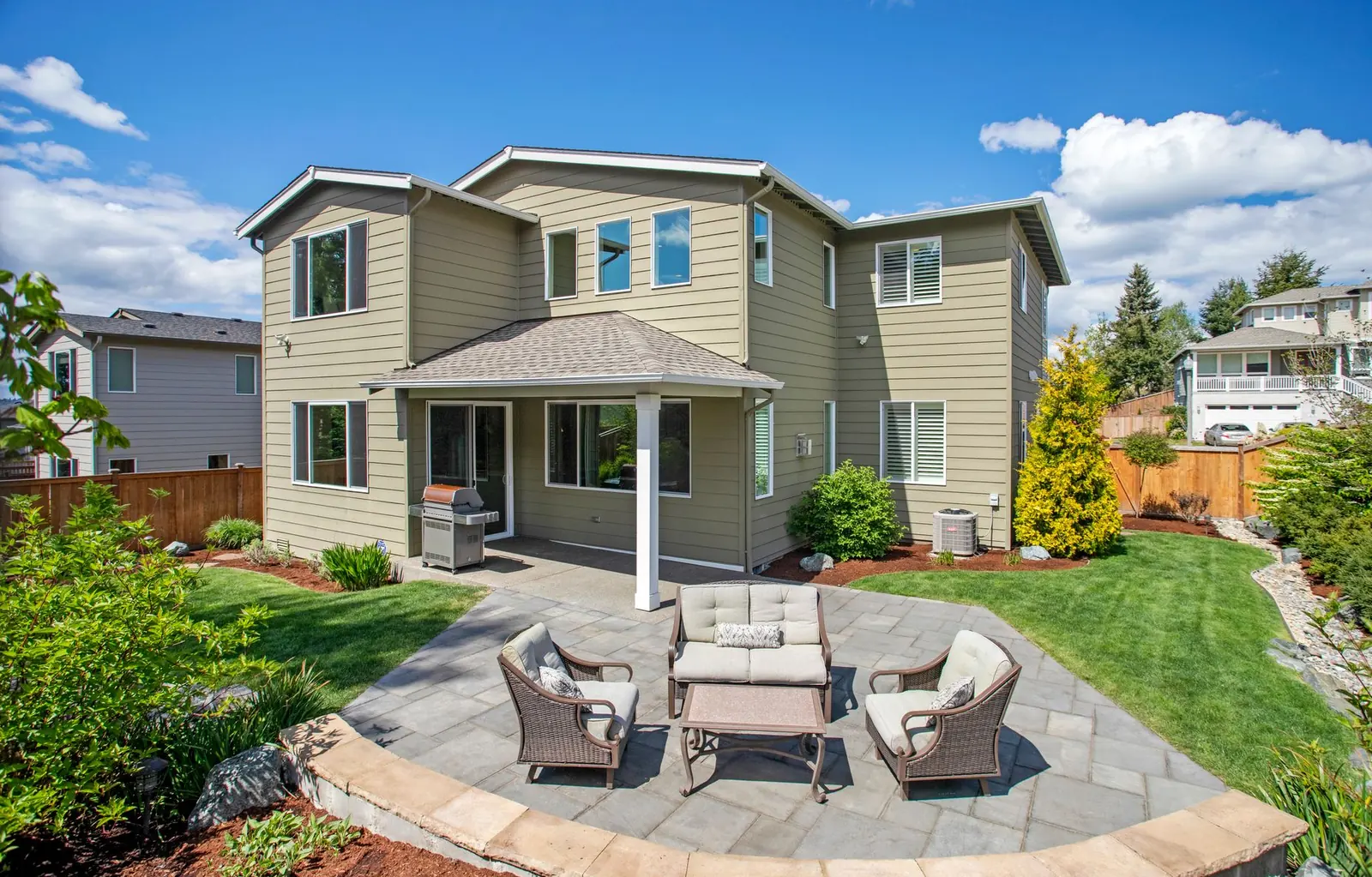
Terraced Walls
Terraced retaining walls that step a slope into level tiers in Groveport.
More on terraced walls
Seat Walls & Garden Walls
Seat walls and low garden walls in Groveport.
More on seat walls & garden walls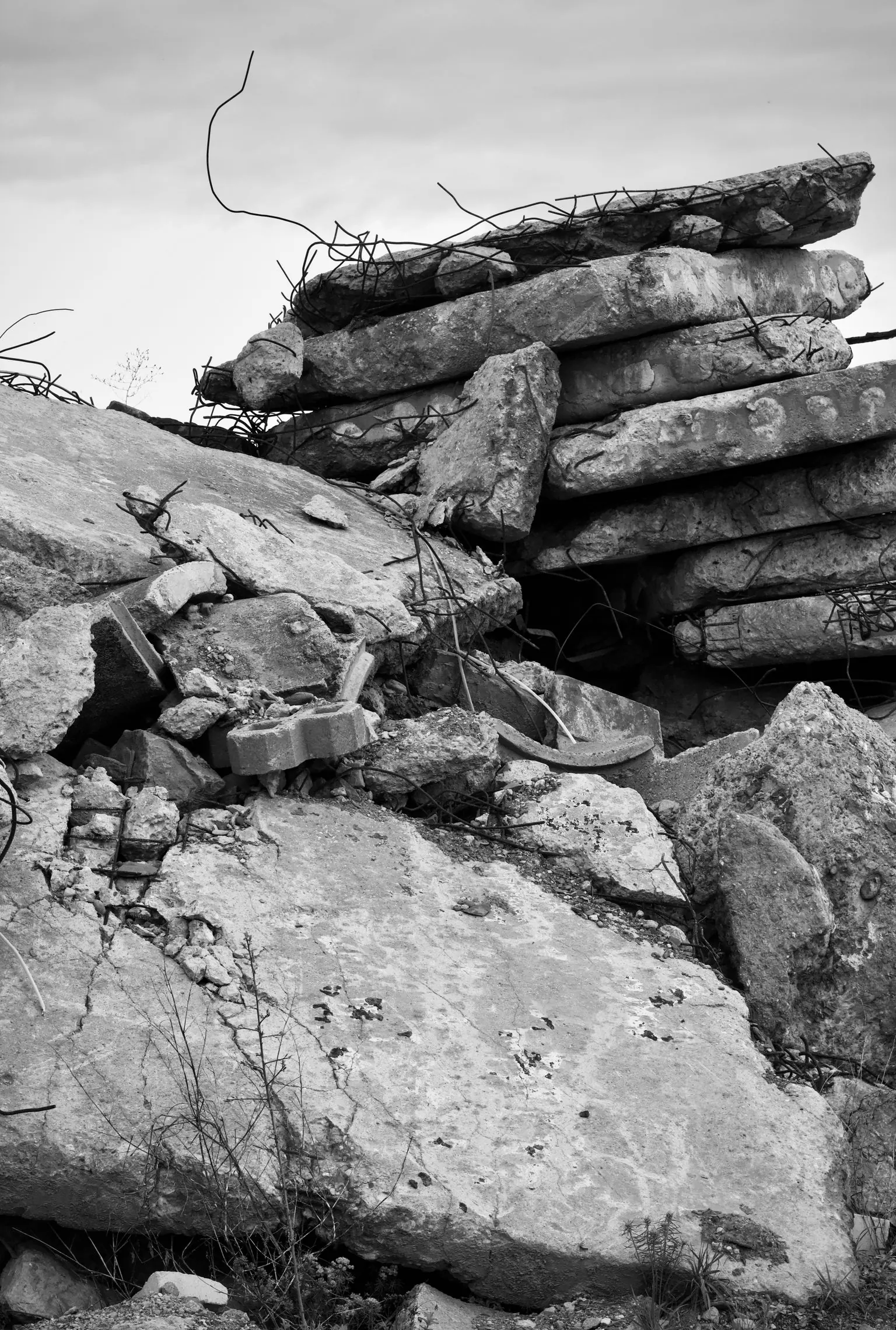
Retaining Wall Replacement
Retaining wall replacement, from leaning block to rotted timber walls in Groveport.
More on retaining wall replacement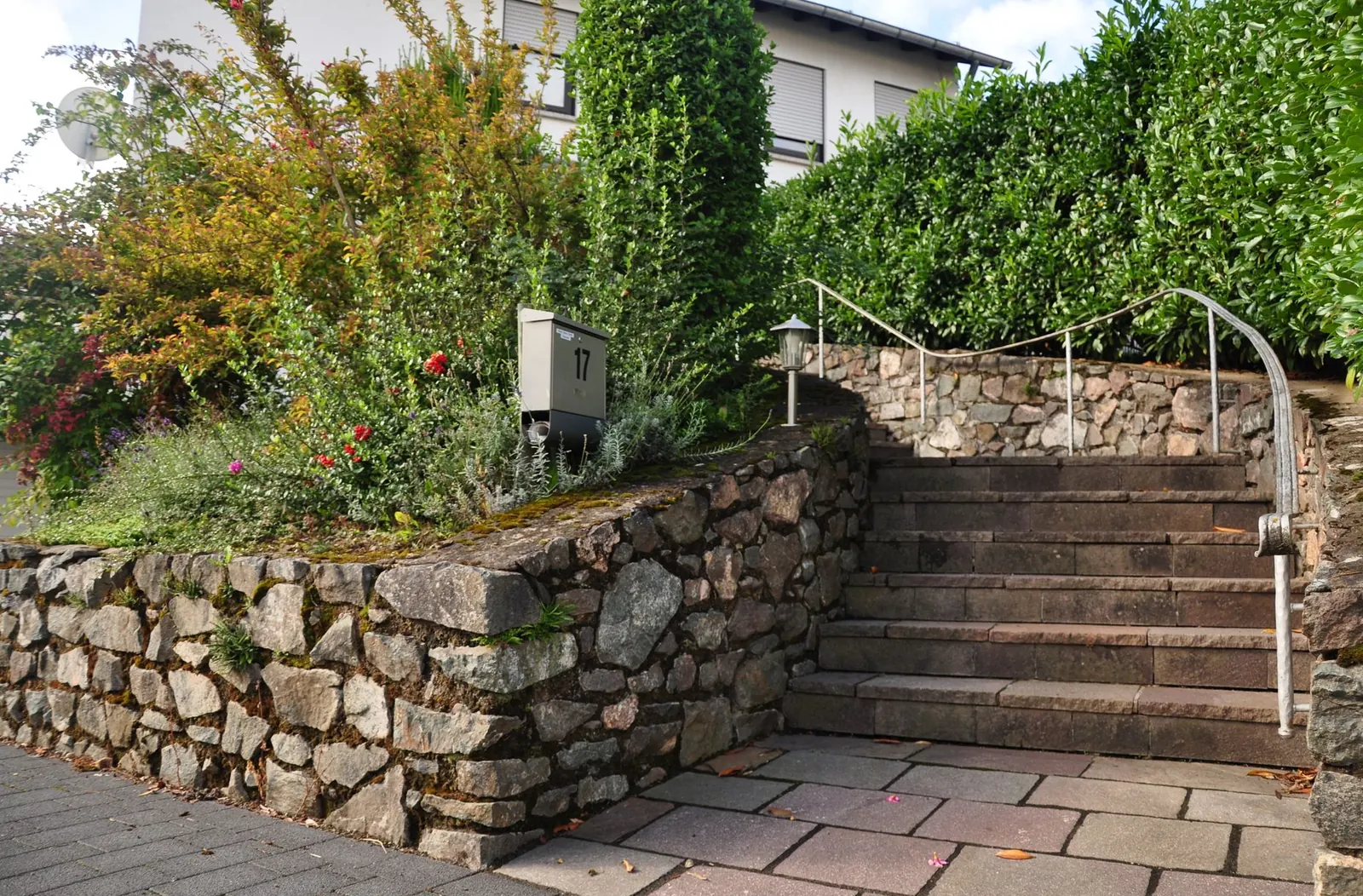
Steps Through Walls
Landscape steps built through retaining walls and slopes in Groveport.
More on steps through walls
Franklin County, Ohio
Around Groveport
Groveport has Walnut Woods Metro Park, Three Creeks Metro Park and Big Walnut Creek close by, and Central Ohio clay underfoot. The places are the scenery; the clay is what a retaining wall there has to hold back, wet or dry.
Ravines along the Olentangy and Scioto rivers and along creeks like Alum and Big Walnut leave many lots with steep banks, where terraced walls are often the gentlest way to make level ground.
Close to Groveport, we also build retaining walls in Obetz, Blacklick Estates, Canal Winchester and Lithopolis; each gets the same site visit and free estimate.
Examples
Block, poured and terraced walls



Example photos of the type of work.
Questions
Groveport questions
My wall in Groveport is leaning. Can it be fixed?
Usually it needs to be rebuilt, at least in the leaning section, with the cause addressed: base, drainage or load. It gets looked at first to see why it moved, before anyone decides how much has to come down.
When can a retaining wall be built in Groveport?
Block walls can be built in most months, provided the soil is not frozen hard or waterlogged. Poured walls follow concrete weather, with cold-weather protection when needed, so planning over the winter keeps the start date flexible.
Do you build retaining walls in Groveport?
Yes. Groveport is in the area we serve around Columbus, for block, poured, terraced, seat and replacement walls and steps through walls. Pass along the details, and a phone call follows to arrange a look at the site.
Will my Groveport retaining wall need an engineer?
It depends on height and load. Walls roughly 4 feet and taller, or walls supporting a driveway, building or another wall, can require engineered plans and a permit. Your city, village or township sets the exact threshold.
How do I get a retaining wall estimate in Groveport?
Call (614) 482-2063 or use the form with the wall's approximate height and length and what sits above it. The contractor will phone to discuss the wall and schedule a visit to the site.
Why do retaining walls bulge, lean or crack?
Nearly always because of water or the base. A bulge in the middle of a block wall points to pressure behind it, from poor drainage, missing or short geogrid, or loosely placed backfill. A wall leaning along its whole length has a base problem or carries more load than it was built for. Cracks in poured walls usually come from settlement or from water with no way out.
Have a slope that needs holding?
Describe the height, the length and what sits above it, and we will call to discuss the wall and schedule a site visit.